Nutritional diet ratio
Carbohydrates account for 45%-65% of total daily energy, protein accounts for 10%-35%, and fat accounts for 20%-35%. However, this value is only a baseline reference line. There is no "golden ratio" that applies to everyone. There is a huge adjustment range for different physical conditions and dietary styles.
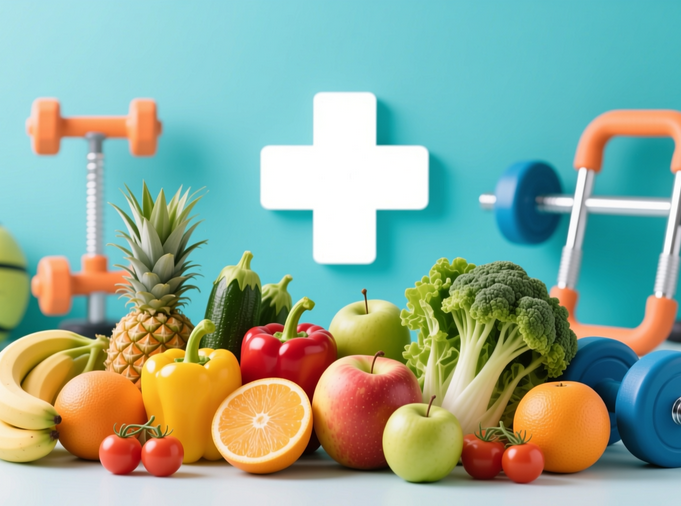
To be honest, I struggled with these numbers when I first came into contact with nutrition. I bought a food scale that was accurate to 0.1g. It took me half a day to calculate the grams of broccoli. After struggling for half a month, I realized that it was completely unnecessary. This range itself is a safe range that the WHO and the Chinese Dietary Guidelines have worked hard on for decades and collected from millions of samples of healthy people. It is not a rigid standard set by someone. Converted to our daily dining table, if a light-weight office worker eats according to the middle value, each meal includes one fist of cooked staple food, two fists of green leafy vegetables, a palm-sized portion of fish, poultry, eggs, milk, and a fingertip amount of cooking oil. It is basically within the reasonable range, and every bite does not need to be counted as a calorie.
If you often read fitness or health content, you must have seen many anti-mainstream proportion plans, and there is no need to call them pseudoscience. For example, the ketogenic diet, which has been popular for almost ten years, directly reduces carbohydrates to less than 5% of the total energy supply. More than 70% of the energy comes from fat, and the rest is reserved for protein. There is indeed clinical evidence that it has an intervention effect on people with refractory epilepsy and some people with severe insulin resistance, and many people rely on it to quickly lose weight in the short term. However, eight out of ten healthy people around me who have tried it complained about hair loss, aunt disorders, and abnormal blood lipids. After all, this program is not a long-term dietary pattern designed for ordinary people, and there will definitely be problems with it. There is also the high-protein diet that is popular in the fitness circle now, which increases the proportion of protein to more than 30% and the proportion of carbohydrates to about 40%. I ate like this during the muscle-building period last year, eating 1.8g of protein per kilogram of body weight. It is true that the muscles grow quickly and the soreness after training disappears quickly. However, a colleague with chronic nephritis in the same company tried it for half a month, and the creatinine increased by a large amount. He was so scared that he stopped quickly. For people with renal insufficiency, this ratio is a real health burden.
Don’t apply adult standards to everyone. My sister's child was in primary school. She used to cook "healthy meals" for her children on the Internet, and the fat ratio was very low. As a result, the child was always sleepy in class. I went to the nutrition department and found out that children need more fat and protein for brain development and body growth. It is okay to increase the fat ratio to 35% and protein to 20%. Giving the child boiled vegetables every day will delay growth. There are also expectant mothers during pregnancy who need to take 10-15g more protein per day than ordinary women, which is about the same amount as drinking an extra carton of milk and eating an extra egg, in order to keep up with the growth needs of the fetus.
To be honest, many people now misunderstand the nutritional ratio and regard it as a KPI that must be accurate. The most exaggerated girl I have ever seen, she has to count the grams of carbohydrates to eat a strawberry. In the end, eating feels like completing a task, and she has no desire to see the food. You are running a half-marathon today, so it is perfectly fine to eat two more steamed buns to increase your carbohydrate intake to 70%. Recently, I want to control my weight and replace refined rice noodles with whole grains. I should eat two more bites of protein. As long as it is within the safe range, I will feel comfortable.
In the final analysis, there is no absolutely perfect nutritional diet ratio. The one that you can stick to for a long time, eat comfortably, and have normal indicators in every physical examination is the ratio that is most suitable for you.
Disclaimer:
1. This article is sourced from the Internet. All content represents the author's personal views only and does not reflect the stance of this website. The author shall be solely responsible for the content.
2. Part of the content on this website is compiled from the Internet. This website shall not be liable for any civil disputes, administrative penalties, or other losses arising from improper reprinting or citation.
3. If there is any infringing content or inappropriate material, please contact us to remove it immediately. Contact us at: