Healthy recipe recommendations
To be honest, there is no "standard answer" healthy recipe that suits everyone. A truly useful healthy meal must match your body foundation, taste preferences, and daily rhythm, and allow you to stick to it for a long time without pain.
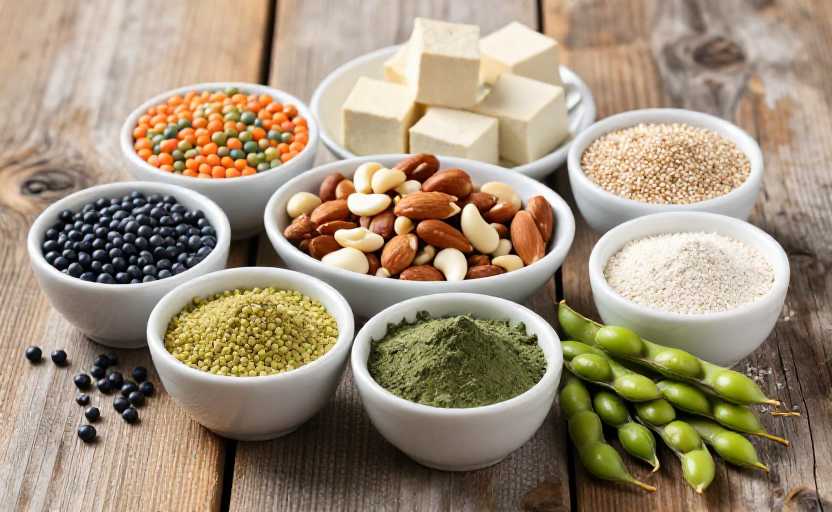
I have been doing public nutrition consulting for 6 years, and I have seen too many people chewing on the same meal menu found online. In the end, they either vomited and gave up, or they had eating problems. Last year, there was a girl who worked on the Internet. Her uric acid was 80% higher than normal. She saw others saying that the Mediterranean diet was healthy. She ate spinach mixed with tofu and cooked seafood soup every day. However, within two weeks, she developed gout and her feet were so swollen that she couldn’t wear shoes. She didn’t know that many of the high-purine ingredients in the Mediterranean diet were not suitable for people with high uric acid, so copying them would naturally cause problems.
Nowadays, there are several mainstream dietary patterns that everyone often hears about, each of which has its own applicable scenarios, and no one is more noble than the other. For example, the Mediterranean diet, which is endorsed by the WHO, is rich in deep-sea fish, whole grains, and olive oil, and is good for the cardiovascular system. Many middle-aged and elderly people follow it, but to be honest, the cost of eating salmon and virgin olive oil for ordinary families is really high. In addition, many Chinese people are lactose intolerant, and eating cheese and yogurt with meals will most likely cause stomach upset. There is also the Desu Diet, which is specially designed to control blood pressure. Eat more dark green vegetables and dairy products to supplement potassium and calcium. The sodium intake is very low. It is indeed effective for people with high blood pressure. However, if the kidney function is already weak and the potassium cannot be excreted, it will cause hyperkalemia, which is a big risk. The low-carb diet, which was extremely popular in the past two years, gave up refined sugar and even most staple foods. Many people used it to lose weight and lost five or six pounds in the first two weeks. However, I have seen several little girls eat it for three months, and their aunt postponed it for more than half a month. My fitness friends also said that after the low-carb diet, they lost 20 kilograms of deadlift weight, which was not worth the loss.
If you really want to put together a healthy meal, it doesn’t have to be so complicated. For example, if you are an ordinary office worker working a nine-to-five job and don’t have much time to get up an hour in advance to prepare food, you can make up a qualified meal at will: grab a pumpkin that was steamed the day before in the morning, two hard-boiled eggs, a small handful of original almonds on the way, and go to the company to make a cup of pure soy milk without sugar. If you have a bad stomach, don’t follow the trend of eating whole-grain brown rice. My mother had gastric erosions in the past two years, so she ate brown rice for three days with me, and her stomach hurt.
There is a lot of debate on the Internet right now about "Can you eat carbohydrates at night?" In fact, both sides have a point: the supporters say that the metabolic rate decreases at night, and eating too much refined carbohydrates will easily turn into fat and pile up on the waist. The opponents say that if you have to work overtime until 12 o'clock at night, or have just masturbated for an hour after get off work, and do not eat some carbohydrates to replenish energy, you will either be hungry to the point of insomnia, or lose muscle, which will result in losses. My own habit is that if I don’t exercise that day and go to bed before 11 o’clock, I will eat two less meals at night and eat more vegetables and meat. If I have to stay up late to catch up on a plan, a bowl of hot tomato and egg noodles is better than anything else. I don’t have to starve myself to the point of acid reflux for the so-called “health”.
You really don’t have to turn healthy recipes into some rigorous test answers. I went to a community clinic last month and met a 72-year-old aunt who was in great health and had normal blood pressure and blood sugar compared to many young people. When I asked her what she usually ate, she said it was polenta with boiled eggs and a small portion of cold vegetables in the morning, a fistful of rice with two vegetables and one meat at noon, an apple in the afternoon when she was hungry, and a bowl of millet porridge for dinner. Occasionally, she would have hot pot with her old sisters. You see, she has never counted calories or followed Internet celebrity menus. She eats comfortably and can stick to it all year round. Isn’t this more useful than any perfect recipe?
Disclaimer:
1. This article is sourced from the Internet. All content represents the author's personal views only and does not reflect the stance of this website. The author shall be solely responsible for the content.
2. Part of the content on this website is compiled from the Internet. This website shall not be liable for any civil disputes, administrative penalties, or other losses arising from improper reprinting or citation.
3. If there is any infringing content or inappropriate material, please contact us to remove it immediately. Contact us at: