Breast health starts with improving your lifestyle
If you want to reduce the risk of breast disease and maintain breast health for a long time, the most cost-effective and universal intervention method is to start with daily lifestyle adjustments - this is the most recognized controllable prevention program in the breast medical community at home and abroad.
Last week, I just met a 28-year-old Internet operator girl in the clinic. She was squatting outside the clinic crying with a breast B-ultrasound report. The report showed that she had three types of breast nodules on both sides, the largest of which was almost 1 centimeter. She dragged me and asked, "Why did I suddenly develop nodules when I was only in my twenties, had no family history, and had never taken any hormonal drugs?" I flipped through the work notebook she had casually placed next to her, and there were three full pages of to-do lists posted in red pen on the title page. I found out during the chat that in the past six months, she had stayed up until two o'clock every day to catch up on projects. She drank two cups of milk tea a day instead of water. When she got emotional, she didn't dare to have an attack in front of her colleagues. When she got home from get off work, she would lie down on the sofa until midnight, and she didn't even take two thousand steps a day.
To be honest, there is still a lot of controversy in the academic community about the influencing factors of breast disease: one group of epidemiologists believe that the contribution rate of genetic factors can account for more than 30%. For example, people who carry BRCA1/2 gene mutations have a risk of breast cancer several times higher than the general population, no matter how healthy their lifestyle is.; But more clinical frontline doctors prefer that innate genetics is an uncontrollable factor. Among the remaining 70% of controllable influences, lifestyle has the highest weight. After all, we cannot change genes, but we can always change what we eat every day, what time we go to bed, and what time we move, right?
The first thing many people ignore is the impact of emotions on breasts. There used to be a popular saying on the Internet, which said, "Tolerate breast hyperplasia for a while, and take a step back from breast nodules." The words are rough and rational, but there is no need to demonize emotions. I have seen many girls keep their grievances in their hearts in order not to get angry, but instead they stifle problems. In fact, there are related studies in the field of psychology. Appropriate emotional catharsis is far more conducive to endocrine stability than deliberately suppressed "emotional stability". Last time a patient told me that since she was diagnosed with nodules, she would fight back on the spot every time she quarreled with her husband, and she no longer sulked in her heart. The nodules had shrunk in size during this year's reexamination. Of course, this is an example and cannot represent everyone, but at least it shows that not keeping emotions in your heart is also part of a healthy life.
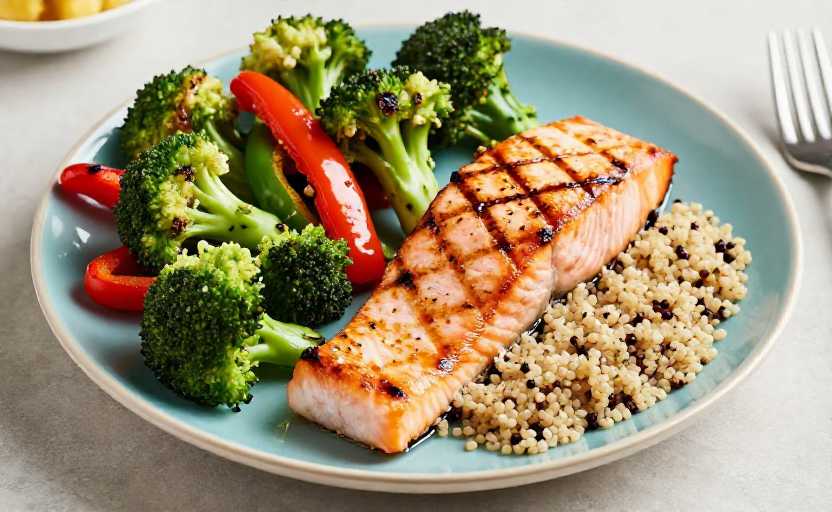
When it comes to eating, there are all kinds of opinions on the Internet. The most controversial one is whether soy milk can be drunk? Many people say that the phytoestrogens in soybeans will stimulate the growth of nodules. In fact, this is a complete misunderstanding. The current academic consensus is that soy isoflavones in natural soybeans are two-way regulators. When the estrogen level in the body is high, it will help you lower it, and when it is low, it will help you make up for it. Drinking a cup of soy milk and eating some tofu every day is absolutely fine, and will actually reduce the risk of breast disease. Oh, by the way, what you really need to avoid are royal jelly, snow clams, and beauty oral liquids with unknown ingredients that are said to be able to "enlarge breasts" and "anti-aging". The exogenous estrogen content in these may actually stimulate abnormal proliferation of breast tissue. As for the milk tea and cakes that everyone loves to drink, you don’t have to give up completely. I sometimes buy a cup of iced milk tea after get off work to relieve fatigue. But don’t drink two cups a day as water. A high-sugar diet will not only make you fat, but also disrupt endocrine. This is a solid research conclusion.
Let’s talk about the most troublesome work and rest issue for everyone. Don’t believe in the anxious talk of “you must go to bed before ten o’clock or you will get breast cancer.” There are many scientific research colleagues around me who are naturally night owls. They go to bed at two o’clock in the morning and wake up at ten o’clock in the morning every day. What really hurts the body is that the day and night are reversed. You go to bed at ten o'clock today and go to bed at three o'clock the next. The biological clock is as chaotic as a ball of wool that has been scratched by a cat. The level of sex hormones goes up and down. As the target organ of sex hormones, the breast is naturally prone to problems.
There’s no need for me to say more about moving, right? You don’t have to force yourself to run five kilometers every day or go to the gym for two hours. Many people can’t persevere but tend to feel psychological burden. I often tell patients that you get off the car two stops before get off work and walk for 10 minutes. After sitting for an hour, get up and stretch with water for two minutes. Don’t lie down for a day on weekends. Go out to a park and ride a bike. A total of 150 minutes of moderate-intensity exercise per week is enough. There used to be an aunt in her 50s. Her breast nodules used to increase every year. Later, she went to square dance for half an hour with her old sisters every day after dinner. This year, the nodules not only did not increase, but also got smaller. Of course, this was also related to her postmenopausal hormone levels, but the role of exercise cannot be ignored.
Oh, by the way, let me make it clear in advance that adjusting your lifestyle is not a panacea, nor can it replace regular screenings. Those over 30 years old should have a breast ultrasound once a year, and those over 40 years old should have a mammogram. Those with a family history can start screening as early as 25 years old. This is the core of early detection of problems. Don’t think that you don’t need a physical examination because you have a healthy lifestyle. Many early-stage breast diseases have no symptoms at all. By the time you feel a lump, it may be too late.
In fact, breast health is never something that requires you to spend a lot of money or effort to maintain it, and you don’t need to be intimidated by all the anxiety talk on the Internet. It's just that you hold your breath less, drink less sweet drinks, don't stay up all night, and stand up and take a few more steps when you have time. It's much more effective than spending thousands of dollars on breast dredging and massage. After all, the body's feedback is always the most honest. How you treat it will be how it treats you.
Disclaimer:
1. This article is sourced from the Internet. All content represents the author's personal views only and does not reflect the stance of this website. The author shall be solely responsible for the content.
2. Part of the content on this website is compiled from the Internet. This website shall not be liable for any civil disputes, administrative penalties, or other losses arising from improper reprinting or citation.
3. If there is any infringing content or inappropriate material, please contact us to remove it immediately. Contact us at: