Dietary therapy for uterine cysts
Patients with uterine cysts can assist in their recovery by eating broccoli, apples, oats, deep-sea fish, black beans and other foods in moderation. Uterine cysts may be related to hormone imbalance, inflammatory stimulation and other factors, and usually manifest as lower abdominal distension, abnormal menstruation and other symptoms. It is recommended to seek medical treatment promptly and combine drug treatment and dietary management under the guidance of a doctor.
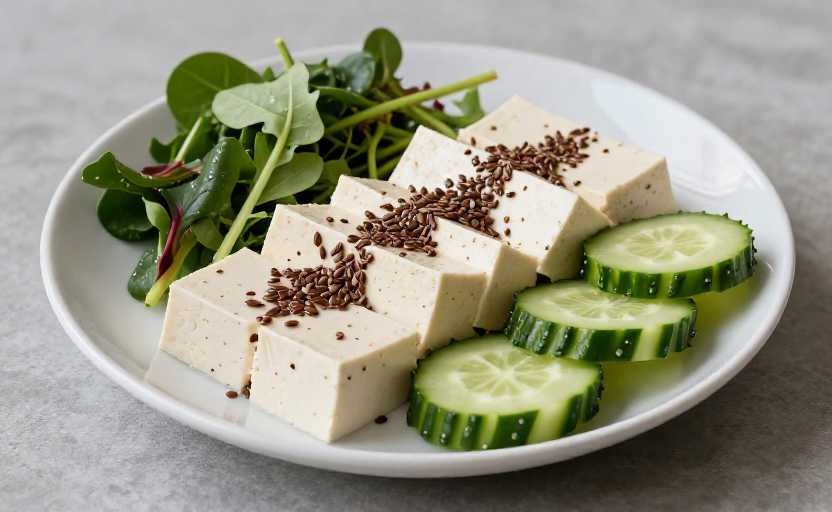
1. Food
1. Broccoli
Broccoli is rich in indole-3-carbinol and vitamin C, which help regulate estrogen metabolism. Its dietary fiber can promote the discharge of waste products from the body and reduce inflammation. It is recommended to steam or blanch it before eating, 3-4 times a week, 100-150 grams each time. People with weak gastrointestinal function should control their intake.
2. Apple
The quercetin and polyphenols contained in apples have anti-inflammatory effects, and the pectin component can help remove toxins from the body. It is better to choose fresh apples with their skins on. One medium-sized apple per day is appropriate. Diabetic patients need to monitor blood sugar changes.
3. Oats
The beta-glucan in oats can regulate immune function, and the B vitamins help maintain neuroendocrine balance. It is recommended to choose whole oats for cooking porridge and consume 30-50 grams of dry oats for breakfast every day. People with gluten allergies should avoid it.
4. Deep sea fish
Salmon, sardines, etc. are rich in Omega-3 fatty acids, which can inhibit prostaglandin synthesis and relieve the inflammatory reaction caused by cysts. Eat it 2-3 times a week, about 100 grams each time, steamed or roasted. Gout patients need to control the frequency of intake.
5. Black beans
Black beans contain isoflavones and anthocyanins, which have phytoestrogen-like effects and can regulate hormone levels in both directions. It is recommended to soak black beans and stew them, 3 times a week, 50 grams of dry beans each time. People with renal insufficiency should consult a doctor before taking this product.
2. Drugs
1. Guizhi Fuling Capsules
It is used for uterine cysts with qi stagnation and blood stasis. It contains ingredients such as cassia twig and poria cocos, which has the effect of activating blood circulation and removing blood stasis. It may cause mild gastrointestinal discomfort. Do not eat raw or cold food while taking the medicine. Ultrasound examination is required to monitor changes in cysts.
2. Dan'e Fukang decoction
It is suitable for patients with cysts accompanied by dysmenorrhea. It contains medicinal materials such as Salvia miltiorrhiza and Curcuma zedoaryum, which can improve local microcirculation. Dry mouth may occur after use, so it is recommended to take it after meals. Use with caution in those with heavy menstruation.
3. Red gold knot-removing tablets
Contains ingredients such as Panax notoginseng and Cyperus rotundus, which can assist in the dispersion of mixed cystic and solid masses. Slight itching of the skin may occur during the medication, so avoid taking it with spicy food. People with abnormal liver function need to reduce the dosage.
4. Sanjie Analgesic Capsules
For cases of cysts combined with pelvic adhesions, it contains Prunella vulgaris, Fritillaria fritillary, etc., which can relieve the dull pain in the lower abdomen. It may cause drowsiness and is not recommended for long-term continuous use for more than 3 months.
5. King Kong Teng Capsules
Suitable for inflammatory cysts, contains adamantium vine extract, which has antibacterial and anti-inflammatory effects. After taking the medicine, you need to drink more water to promote metabolism. People with renal insufficiency should have regular urine tests.
You need to maintain a regular daily schedule and avoid staying up late and experiencing mood swings. Moderately perform low-intensity exercises such as yoga and walking to promote pelvic blood circulation. Limit high-sugar and high-fat diets, and review ultrasound every 3-6 months to observe changes in cysts. If you have severe abdominal pain or abnormal bleeding, seek medical attention immediately.
Disclaimer:
1. This article is sourced from the Internet. All content represents the author's personal views only and does not reflect the stance of this website. The author shall be solely responsible for the content.
2. Part of the content on this website is compiled from the Internet. This website shall not be liable for any civil disputes, administrative penalties, or other losses arising from improper reprinting or citation.
3. If there is any infringing content or inappropriate material, please contact us to remove it immediately. Contact us at: