Push-up breathing: the key to improving training results
Breathing is often overlooked by many people when doing push-ups. In fact, correct breathing methods can not only improve the quality of training, but also reduce sports injuries. This article will take a closer look at breathing during push-ups and the benefits they bring.
Correct breathing rhythm
Inhale going down, exhale going up: When doing push-ups, inhale as your body lowers to the ground.; When the body rises and returns to the starting position, exhale. This breathing rhythm helps match the consistency of the movement, much like the rhythm of dancing, making the entire push-up process more fluid.
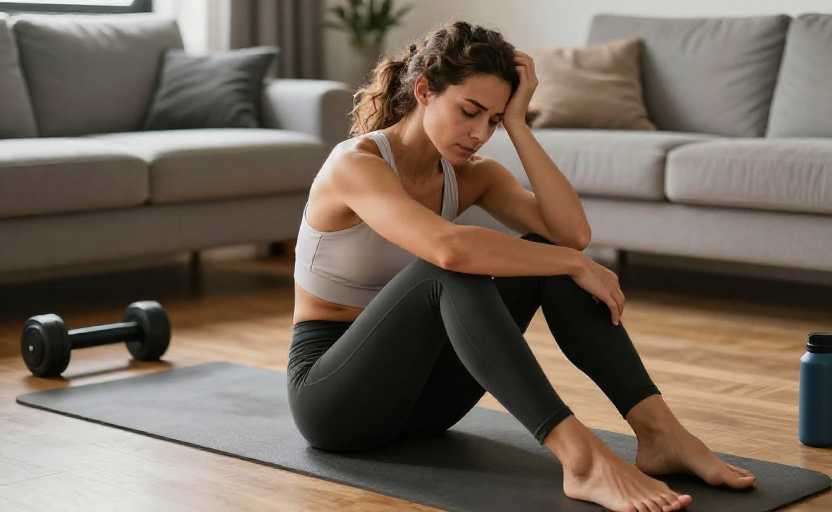
1-2-2 rhythm: You can try to adopt a 1-2-2 breathing rhythm, that is, inhale for 1 second during the descent, maintain a short pause for 2 seconds, and exhale for 2 seconds during the ascent. This rhythm can better control the speed of movement and enhance the sense of muscle contraction.
The role of breathing in core stability
Abdominal pressure maintenance: Correct breathing helps maintain intra-abdominal pressure, which is like adding a "protective shield" to the abdomen. When exhaling, the abdominal muscles contract, which can better stabilize the core, prevent the waist from excessive bending or sinking, and reduce the risk of waist injury.
Tight core: Work with your breathing to keep your core muscles tight. When inhaling, the abdomen expands slightly but still maintains a certain tension. ; As you exhale, tighten your core further to keep your body stable during push-ups.
Effects of breathing on muscles
oxygen supply to muscles: Proper breathing can provide sufficient oxygen to the muscles. When inhaling, a large amount of oxygen enters the lungs and is transported to the muscles through blood circulation, so that the muscles can continue to contract powerfully during exercise and improve the training effect.
Metabolic waste removal: When exhaling, waste products such as carbon dioxide produced by muscle metabolism can be excreted from the body. If breathing is not smooth, these metabolic wastes will accumulate in the muscles, causing muscle fatigue to appear early and affecting the quality of training.
Avoid breath-holding hazards
increased blood pressure: Holding your breath will sharply increase the pressure in the chest cavity, hindering the return of blood to the heart, causing an instantaneous increase in blood pressure. Long-term breath-holding push-up training will put a greater burden on the cardiovascular system.
muscle imbalance: Breath-holding may also lead to muscle imbalance, because when the body is in the breath-holding state, the contraction and relaxation of muscles are uncoordinated, which can easily cause some muscles to be overly tense, while others are not fully stressed. exercise。
Adaptation of breathing patterns
Kneeling variation: For beginners or those with weak strength, you can start with kneeling push-ups. When performing kneeling push-ups, the breathing method also follows the principle of inhaling downwards and exhaling upwards, but the breathing rhythm can be appropriately slowed down to better adapt to the movement.
progressive loading: As your training level improves, you can gradually increase the difficulty and load of push-ups. In the process of increasing the load, attention should be paid to the adaptive adjustment of breathing methods to ensure that the coordination of breathing and movements is not affected.
In fitness training, the coordination of breathing methods and movements is crucial. For the common training exercise of push-ups, using appropriate breathing methods can make the training effect twice the result with half the effort.
Disclaimer:
1. This article is sourced from the Internet. All content represents the author's personal views only and does not reflect the stance of this website. The author shall be solely responsible for the content.
2. Part of the content on this website is compiled from the Internet. This website shall not be liable for any civil disputes, administrative penalties, or other losses arising from improper reprinting or citation.
3. If there is any infringing content or inappropriate material, please contact us to remove it immediately. Contact us at: