Precautions for deltoid muscle training with deltoid muscle trainer
As more and more people practice deltoid muscles, how to choose fitness equipment to exercise deltoid muscles?exercise It’s also a difficult thing! If you want to exercise your deltoid muscles, you must first know the function of those fitness equipment and the muscle groups they affect. Follow this article to learn more!
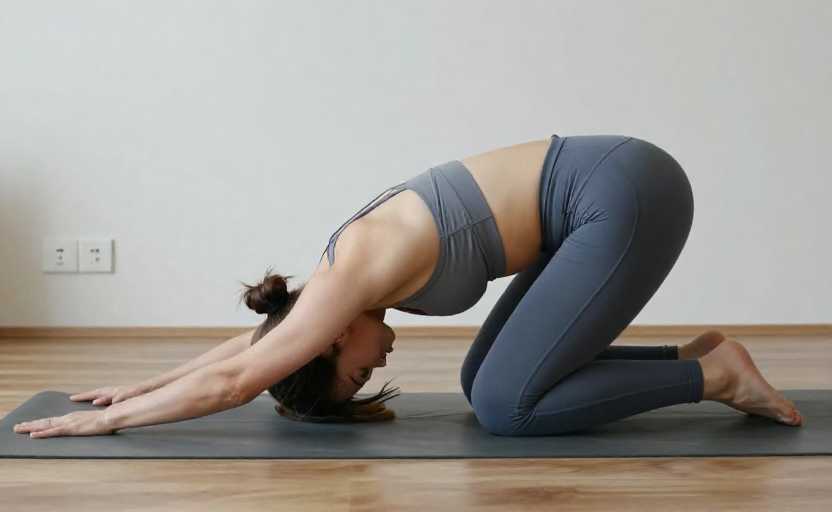
Complete collection of deltoid muscle trainers
Dumbbell lateral raise
Its purpose is for muscle strength training and muscle compound movement training. Patients with low muscle strength due to motor paralysis, pain, long-term inactivity, etc. can hold dumbbells and use the weight of the dumbbells to perform active resistance exercises to train muscle strength. Dumbbells can train a single muscle ; If you increase the weight, you need the coordination of multiple muscles, and it can also be used as a muscle compound action training.
1. Choose the appropriate weight before practicing with dumbbells.
2. The purpose of the exercise is to build muscle. It is best to choose dumbbells with a load of 65%-85%. For example, if the load that can be lifted each time is 10 kilograms, you should choose dumbbells with a weight of 6.5 kilograms to 8.5 kilograms for exercise. During practice, do 5-8 groups every day, with each group doing 6-12 times. The speed of movement should not be too fast, and the interval between each group is 2-3 minutes. If the load is too large or too small, and the interval time is too long or too short, the effect will be poor.
Reverse butterfly machine shoulder spread
The reverse butterfly machine shoulder extension can also be called the seated reverse fly. It is the best exercise for junior fitness enthusiasts to exercise the rear deltoid muscles. Compared with dumbbell side raises and other movements, it can eliminate unnecessary pressure on the back and reduce the probability of injury.
1. Try to point both elbows to the left and right sides, never point to the ground, otherwise it will not have any effect on the rear deltoid muscles.
2. The lowering speed should not be too fast, it should be controlled, and it should not be easy to lower to the bottom to ensure that the muscles are continuously stretched.
Barbell Stand Up Row
Barbells have a wide range of uses. Whether it is muscles in the shoulders, back, arms, chest, etc., by using barbells and iron plates of different weights, multiple times of special muscle strength training techniques are used to perform muscle endurance training on the whole body muscle groups to burn fat and convert it into toned lines, strengthen muscle strength, enhance the core ability of the body, and improve local muscles that are still loose despite long-term exercise.; In addition, it can delay muscle aging, increase bone density, prevent osteoporosis, etc., improve endocrine, and improve body coordination. It is ideal for men who want to keep fit. female , one of the sports that can be engaged in exercise.
Cable front raise
1. Arm side flat cable curl : Both upper arms are required to remain parallel to the ground at all times; The other is the standing double-arm tensioner curl, which requires the two upper arms to be close to the sides of the body, and the tensioner is pulled up in front of the body, or the tensioner wire rope is placed between the legs and started from behind.
2. Single-arm cable curling : It can make the biceps brachii bifurcate on the muscle peak, deepen the crack and widen the bulge, and make the brachialis muscle more prominent. By turning your wrists so that your palms are pointing down and down, you can isolate any part of the biceps without any accessory muscle reaching failure first in strengthening the biceps alone.
Deltoid training considerations
Improper lateral training methods
The shoulder deltoid muscle is mainly composed of three parts: the anterior, lateral and posterior deltoid muscles. Side raises are a very effective training method for expanding shoulder circumference and proportions, but side raises are also one of the most common erroneous training exercises in the gym. The movements look simple, but very few people can complete them accurately. The main errors in this movement include: too much weight and too little range of motion. ; Utilizes inertial swing rather than muscle power ; The hands and wrists are not straight and the deltoid muscles cannot be isolated. In short, lateral raises and other lateral exercises must be performed accurately and rigorously.
Incorrect pressing posture
Although the shoulder press primarily stimulates anterior deltoid , but it has a very positive effect on the circumference of the entire shoulder muscle group. But many people's shoulder press postures are also full of mistakes, just like the side raise postures. It is better to make the range of motion smaller and smaller in order to increase the weight. Many people only push halfway and then quickly retreat. This looks very domineering, but this method relies more on the triceps than the deltoid muscles. Another common mistake is to lean back when pressing. This is also one of the results of excessive weight. This posture transfers part of the weight to the clavicle, greatly reducing the stimulation of the deltoid muscles. Therefore, the key to shoulder press is: keep your body straight and have a wide range of motion.
Insufficient strength
Building great deltoid muscles is no easy task. Most of the time, it is easy for us to focus on the chest, arms and other parts that others can easily notice. However, the training of the shoulders is lagging behind and the pectoralis major is not symmetrical. This can also be regarded as a "deformity" in a certain aesthetic sense. You can use various "intensity techniques" to increase TUT (muscle stress time). Each shoulder training includes one or more training methods and principles: super set, triple set, rest training principle, eccentric training method, warm-up training principle, post-activation gain principle, 1+1/2 rep method, etc. We must remember the core of muscle-building training: not harsh and not exciting.
Disclaimer:
1. This article is sourced from the Internet. All content represents the author's personal views only and does not reflect the stance of this website. The author shall be solely responsible for the content.
2. Part of the content on this website is compiled from the Internet. This website shall not be liable for any civil disputes, administrative penalties, or other losses arising from improper reprinting or citation.
3. If there is any infringing content or inappropriate material, please contact us to remove it immediately. Contact us at: